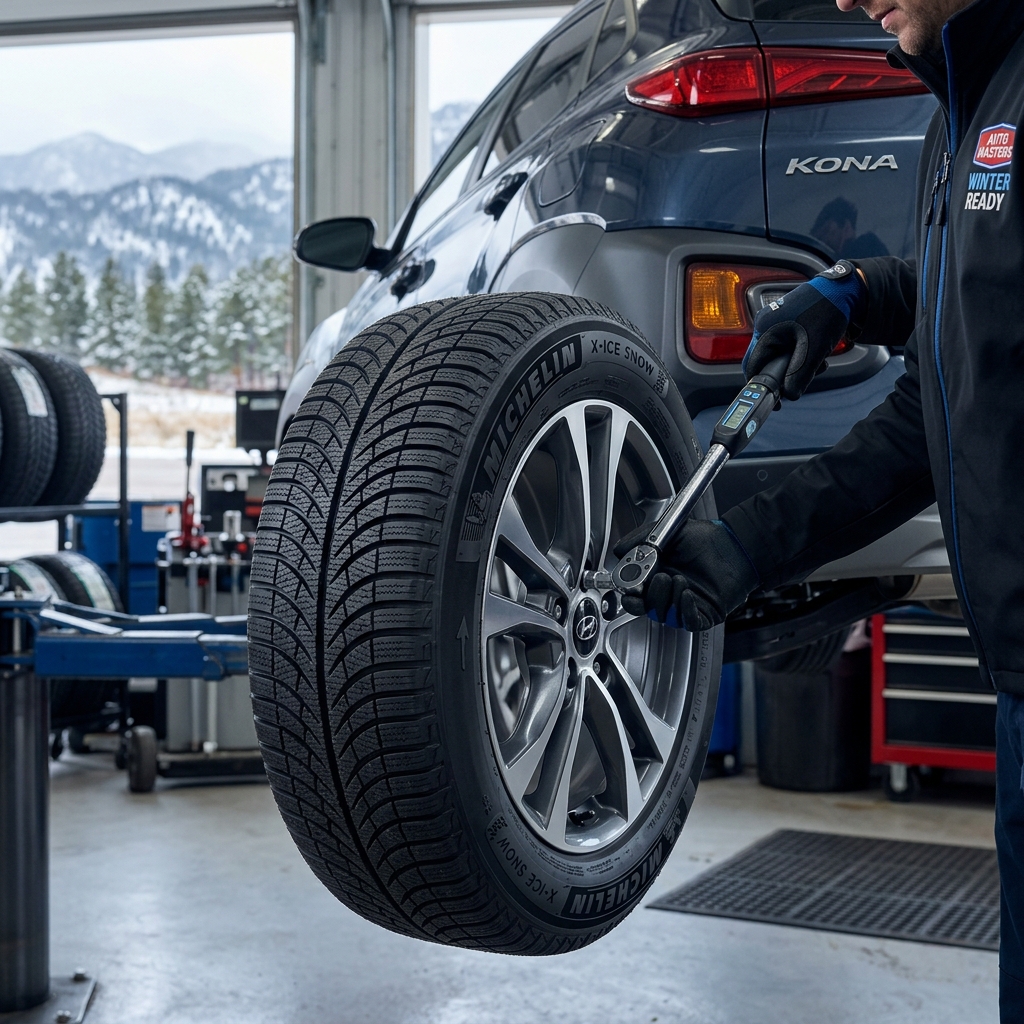
Do You Need Winter Tires If Your Vehicle Has All-Wheel Drive?
The short answer is a definitive yes. While All-Wheel Drive (AWD) is an incredible powertrain feature that helps your vehicle accelerate smoothly on snow by transferring engine torque to all four wheels, it does absolutely nothing to enhance your vehicle's stopping distance or lateral cornering grip on ice. Dedicated winter tires feature specialized rubber compounds and tread designs engineered specifically for freezing temperatures, making them essential for safe braking, steering, and overall vehicle control on winter roads—regardless of whether you drive a front-wheel-drive sedan, a rear-wheel-drive sports coupe, or an advanced AWD SUV.
Many drivers across Colorado Springs and El Paso County fall into a dangerous false sense of security during the first snowstorm of the season. Because their AWD dashboard light stays solid and the vehicle moves forward effortlessly from a stoplight, they assume their vehicle is immune to winter road hazards. However, forward propulsion is only one small component of winter driving dynamics. When you need to slam on the brakes to avoid an obstacle on I-25 or navigate a sharp, icy curve along Woodmen Road, AWD offers zero assistance. If you ever have questions about winter prep or tire options, feel free to Call us at (719) 453-0549 to speak with our certified master technicians.
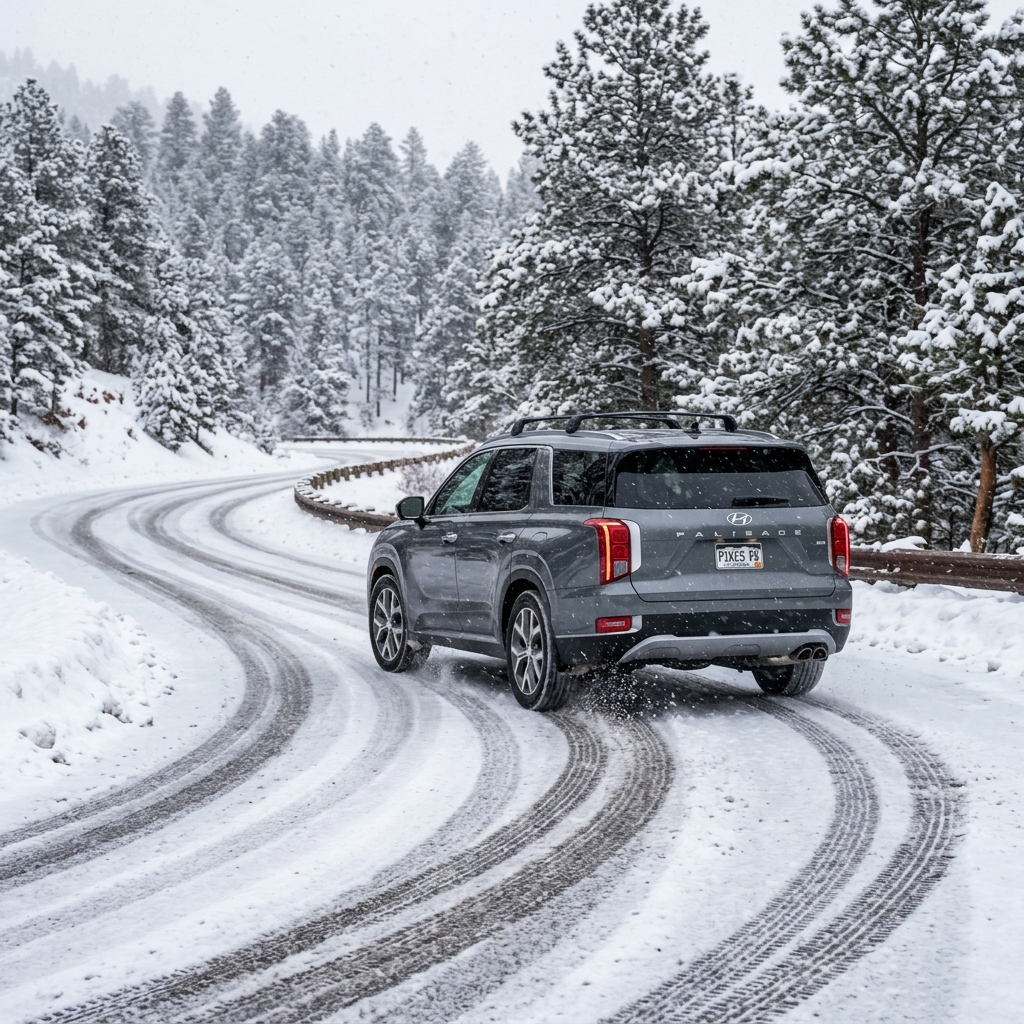
Understanding the fundamental physics of vehicular control reveals why tire selection matters far more than drivetrain configuration when ambient temperatures drop below freezing. Drivetrains route engine power; tires provide the physical friction interface between your 4,000-pound vehicle and the pavement. Without tires capable of maintaining elasticity and biting into snow, an AWD system is merely spinning four hard, slippery rubber hoops instead of two.
What Is the Technical Difference Between AWD and Winter Tires?
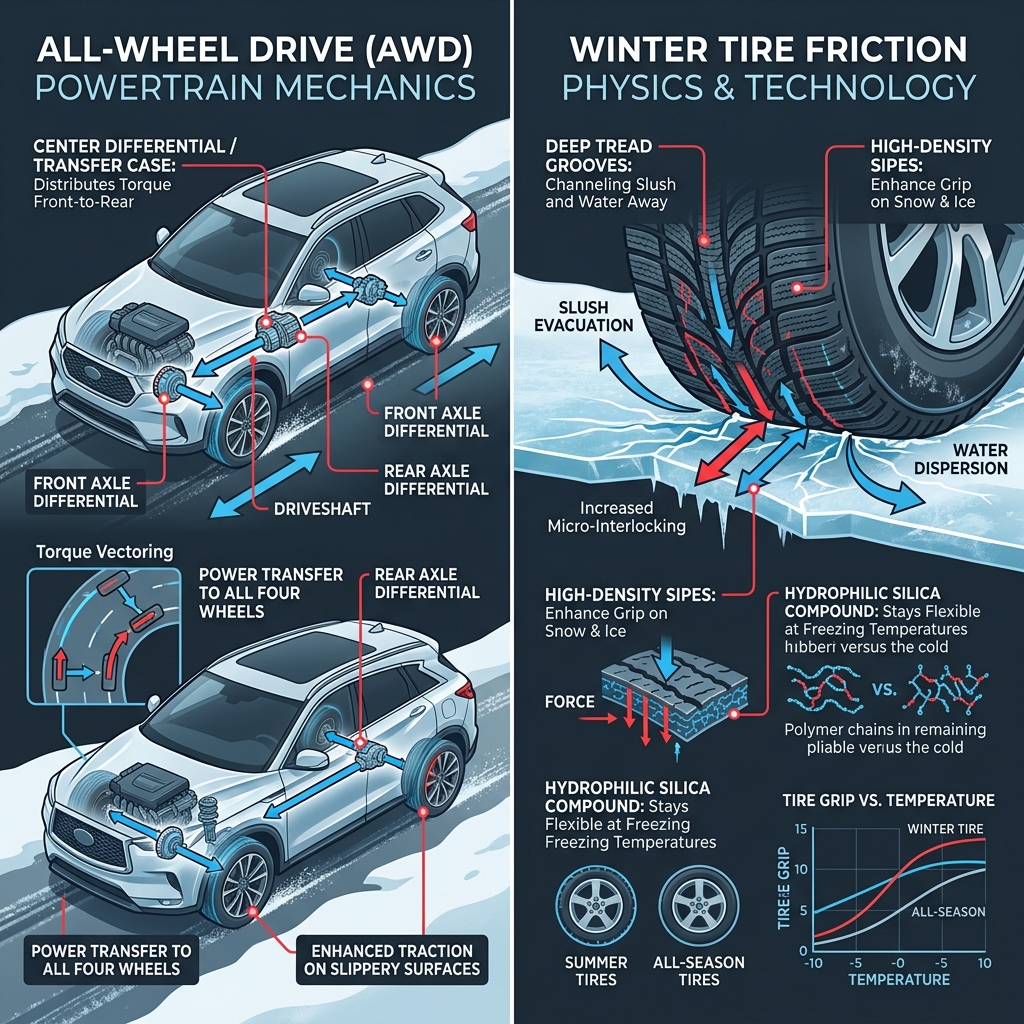
To understand why AWD cannot replace winter tires, it is vital to distinguish between a mechanical torque distribution system and a chemical/physical friction interface. All-Wheel Drive—such as Hyundai's HTRAC® system—is a sophisticated powertrain technology consisting of driveshafts, differentials, multi-plate clutches, and electronic sensors. Its sole responsibility is to monitor wheel rotation and intelligently direct mechanical energy from the engine to whichever axles or wheels currently exhibit the best relative traction.
However, AWD cannot create traction where none exists. Traction is governed by the friction coefficient ($ u$) between the tire contact patch and the road surface. If an all-season tire has hardened into a rigid cylinder due to freezing ambient air, its friction coefficient drops dramatically. The AWD computer may detect slip and send 100% of available torque to the rear wheels, but if those rear tires also lack traction, the vehicle remains motionless or continues skidding sideways.
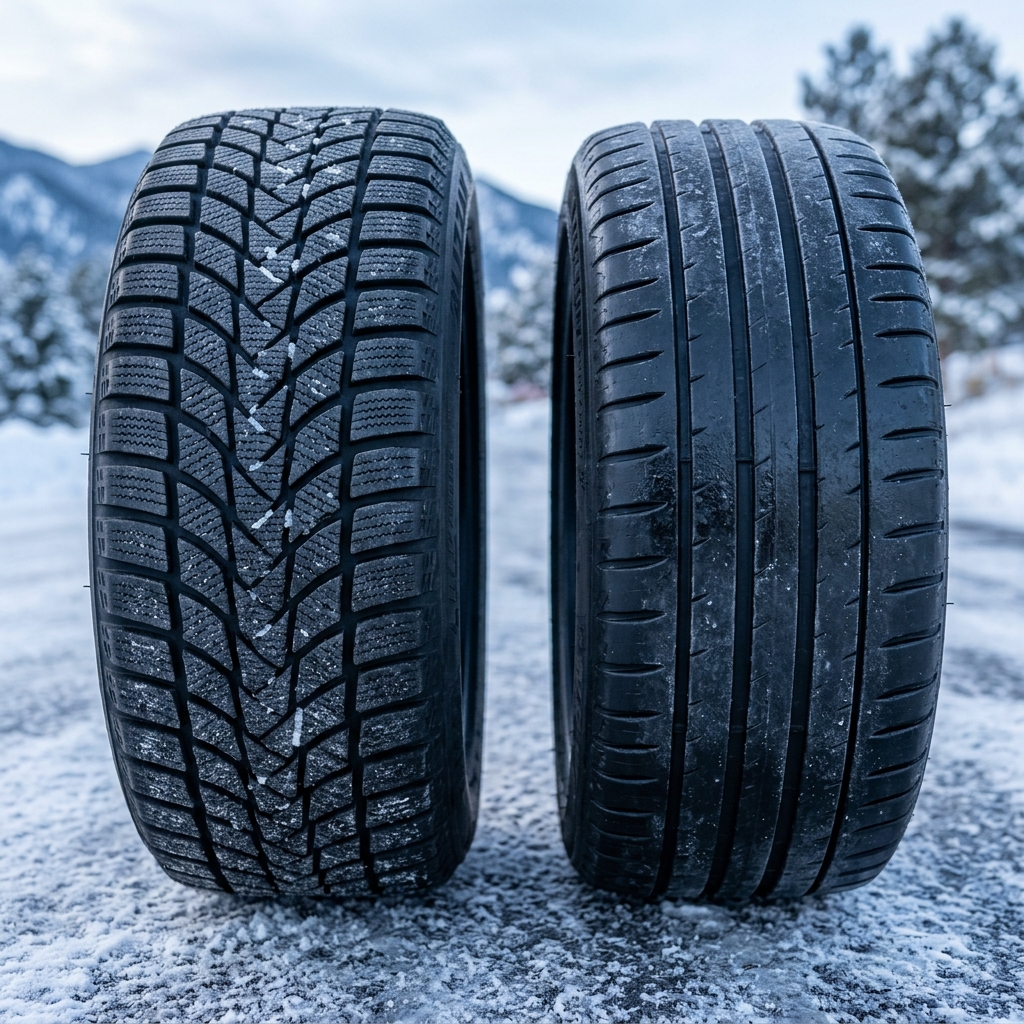
Dedicated winter tires, by contrast, are dynamic molecular components engineered to maximize friction. They utilize specialized soft rubber compounds infused with high silica concentrations, deep snow-packing channels, and thousands of microscopic biting edges (sipes). While AWD determines where engine power goes, winter tires determine whether your vehicle stays attached to the earth.
Does All-Wheel Drive Help You Stop Faster on Snow and Ice?
One of the most persistent and hazardous myths in automotive safety is the belief that All-Wheel Drive helps a vehicle stop faster in winter conditions. It does not. Every modern passenger car, crossover, truck, and SUV manufactured in the last several decades—whether Front-Wheel Drive (FWD), Rear-Wheel Drive (RWD), or All-Wheel Drive (AWD)—is already equipped with four-wheel braking systems. When you depress the brake pedal, hydraulic pressure is applied to disc brakes at all four corners of your vehicle.
Because an AWD vehicle already uses all four wheels for braking just like any standard vehicle, engaging AWD provides zero additional stopping power. In fact, because AWD systems add mechanical complexity, transfer cases, and secondary driveshafts, an AWD vehicle is typically 200 to 400 pounds heavier than its two-wheel-drive counterpart. On slick ice or hard-packed snow, that extra kinetic mass can actually increase your stopping distance if your vehicle is equipped with hard, unyielding all-season tires.
Braking safety on ice relies entirely on two factors: the anti-lock braking system (ABS) modulation and the mechanical grip provided by the tire compound. If your tires lack flexibility and biting sipes, the ABS will engage immediately, pulsing the brakes rapidly as the tires slide across the ice surface. To ensure your vehicle is fully prepped for winter conditions, you can easily Schedule Service Appointment Now at our Motor City facility.
How Does Winter Tire Rubber Compound Stay Flexible in Freezing Temperatures?
The secret behind winter tire performance lies in advanced polymer chemistry. All tire rubber is formulated with dynamic glass transition temperatures ($T_g$). When the temperature drops below a tire's design threshold, the rubber undergoes a physical phase change, shifting from a pliable, elastic state into a rigid, glass-like state commonly known as the 'hockey puck effect.'
Standard all-season tires are designed to withstand warm summer asphalt and moderate cold weather. However, once ambient temperatures drop below 45°F (7°C), all-season compounds begin to stiffen rapidly. When the rubber hardens, it can no longer deform around microscopic road imperfections, dramatically diminishing its contact patch and mechanical friction.
Dedicated winter tires utilize specialized natural rubber polymers, synthetic compounds, and extremely high concentrations of hydrophilic silica. This specialized blend allows the tread to remain supple, malleable, and sticky even in deep sub-zero conditions (-20°F and lower). By staying soft, the tire can conform to the texture of cold asphalt, grip ice crystals, and compress snow into its tread grooves for maximum vehicle control.
Are All-Season Tires on an AWD Vehicle Sufficient for Severe Winter Driving?
To evaluate whether all-season tires on an AWD vehicle are sufficient for severe winter driving, we must examine official industry certifications. Most standard all-season tires carry an 'M+S' (Mud and Snow) branding. However, this rating is based purely on block-to-void tread ratio geometry, not standardized ice or cold-weather traction testing.
All-Season (M+S)
Designed as a compromise for year-round convenience. Rubber hardens below 45°F. Tread patterns lack high-density siping, leading to long stopping distances on snow and minimal lateral grip on black ice.
All-Weather (3PMSF)
A hybrid category featuring the Three-Peak Mountain Snowflake symbol. Stays flexible below freezing and provides moderate snow traction while remaining safe for mild summer driving, though still trailing dedicated winter tires.
Dedicated Winter
Engineered exclusively for freezing conditions. Features advanced silica compounds, 3D biting sipes, and directional slush grooves. Delivers maximum braking power and evasive cornering control on snow and ice.
|
Tire Classification
|
Rubber Flexibility Threshold
|
3PMSF Certified
|
Ice Braking Efficiency
|
Deep Snow Traction
|
|
Standard All-Season (M+S)
|
Above 45°F (7°C)
|
No
|
Poor
|
Marginal
|
|
All-Weather Hybrid
|
Below 14°F (-10°C)
|
Yes
|
Moderate
|
Good
|
|
Dedicated Winter Tire
|
Below -20°F (-29°C)
|
Yes
|
Superior
|
Maximum
|
Braking Distance Comparison: AWD with All-Seasons vs. AWD with Winter Tires
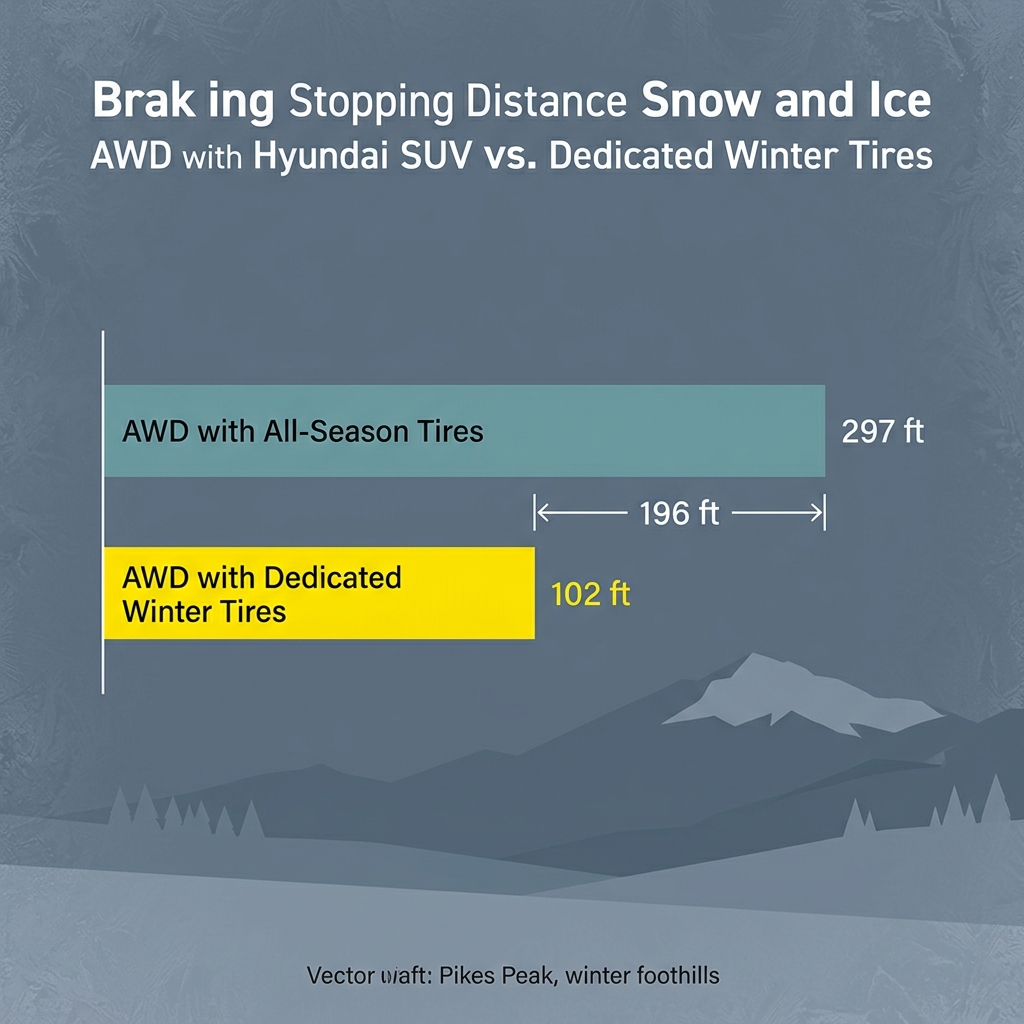
Real-world automotive safety testing reveals striking differences in emergency braking distances when comparing identical All-Wheel Drive vehicles fitted with all-season tires versus dedicated winter tires. In controlled tests conducted at 30 mph on packed snow, an AWD vehicle on all-season tires requires an average of 85 to 95 feet to come to a complete stop.
Equipping that exact same AWD vehicle with dedicated 3PMSF winter tires reduces the stopping distance to approximately 55 to 60 feet. That 30-foot reduction represents roughly two full car lengths—the crucial difference between bringing your car to a controlled rest at an intersection or colliding with the rear bumper of another vehicle.
On glare ice or black ice, the disparity expands exponentially. Because ice lacks surface texture, mechanical tread interlocking is minimized, leaving cold-weather chemical adhesion and micro-siping as the sole mechanisms for stopping. Winter tires can stop up to 40% faster on ice than standard all-seasons.
Navigating Colorado Springs Winter Driving: Pikes Peak Foothills and I-25 Commutes
Driving along the Front Range of Colorado presents a unique set of harsh winter driving challenges. Rapid elevation changes, dramatic temperature drops, and strong winds howling down off Pikes Peak create unpredictable, hazardous road conditions across El Paso County. Commuters driving along I-25 from Monument Hill down into downtown Colorado Springs, Security-Widefield, or Cimarron Hills frequently encounter invisible black ice over overpasses and bridges like Monument Creek.
Steep inclines on local arterial roads—such as Fillmore Street, Austin Bluffs Parkway, or Academy Boulevard—test the limits of vehicular traction. While an AWD vehicle might successfully climb an icy grade, descending that same hill safely requires pure tire grip. Without winter tires, gravity and momentum can easily overpower an AWD vehicle's braking system, causing it to slide helplessly into intersections.
Furthermore, Colorado's strict Traction Law (Code 15) can be activated during severe snow events on major highways. While AWD vehicles are permitted under Code 15, carrying winter tires with appropriate tread depth ensures compliance and provides peace of mind. If you are considering upgrading your current vehicle, feel free to explore our New Car Inventory Search or Get Directions to #1 Phil Long Hyundai of Motor City.
Key Tread Technologies: Sipes, Hydrophilic Silica, and Deep Snow Grooves
3D High-Density Sipes
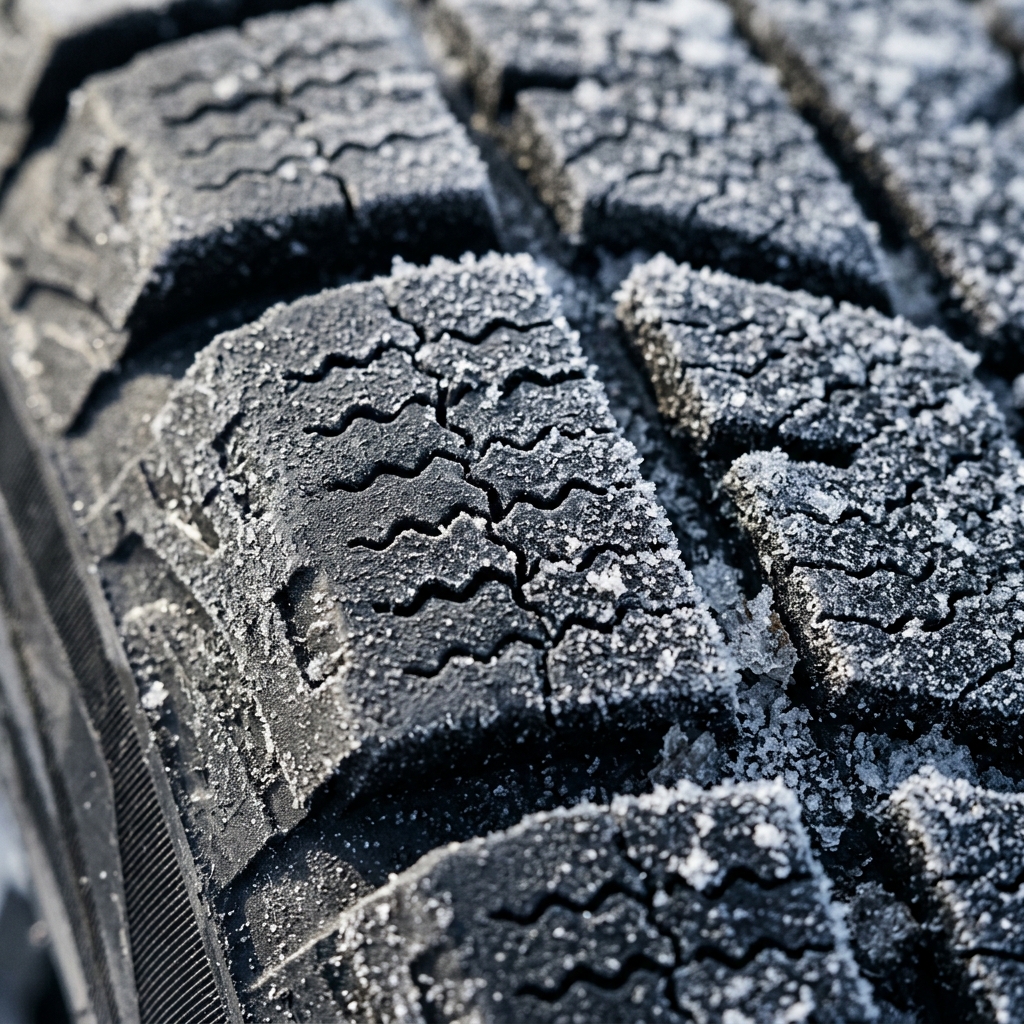
Sipes are microscopic zig-zag slits cut across the tread blocks. As the tire rotates, these sipes flex open, creating thousands of sharp biting edges that slice through surface ice and lock onto snow particles via mechanical friction.
Hydrophilic Silica
When tires pass over ice, friction creates a microscopic film of liquid water that acts as a lubricant. Hydrophilic silica compounds absorb and displace this liquid layer, allowing the rubber to maintain direct adhesion with the solid ice underneath.
Deep Slush Grooves
Wide, directional V-shaped tread channels funnel freezing slush and heavy wet snow away from the tire footprint. This rapid evacuation prevents slushplaning and preserves direct tire-to-pavement contact.
How Much Does a Full Set of Dedicated Winter Tires Cost on Average?
Investing in a dedicated set of winter tires is one of the most cost-effective safety decisions a vehicle owner can make. On average, a complete set of four premium brand winter tires (such as Michelin X-Ice, Bridgestone Blizzak, or Continental VikingContact) ranges from $600 to $1,200 depending on wheel diameter, speed rating, and tire profile.
While adding a second set of tires requires an initial upfront investment, it does not actually increase your long-term tire budget by 100%. Because you are alternating between summer/all-season tires and winter tires each season, you spread wear across two sets. This effectively doubles the overall lifespan of both sets of tires, preserving your primary tires from harsh winter salt, chemicals, and pothole wear.
|
Expense Category
|
Estimated Cost Range
|
Long-Term Financial Benefit
|
|
Set of 4 Winter Tires
|
$600 – $1,200
|
Extends primary tire life by 3–4 seasons
|
|
|
Winter Wheel Rims (Optional)
|
$200 – $500
|
Protects expensive OEM alloy wheels from road salt
|
|
|
Seasonal Mount & Balance
|
$80 – $150 / swap
|
Ensures precise wheel balance & alignment check
|
|
|
Insurance Deductible Avoidance
|
$500 – $1,000
|
Single prevented fender bender covers tire investment
|
|
When Should You Swap to Winter Tires in the Pikes Peak Region?
The ideal time to change over to winter tires is dictated by ambient air temperature rather than snow accumulation. Automotive engineers recommend following the 'Rule of 45°F' (7°C). When daily average ambient temperatures consistently hover around or below 45°F, it is time to schedule your seasonal tire swap.
In Colorado Springs and across the Pikes Peak region, early fall temperature swings mean winter tires should typically be installed in late October or early November. Leaving winter tires on during hot summer months causes rapid tread wear because the soft rubber compound degrades quickly on hot asphalt. Conversely, swapping back to your all-season tires in mid-to-late April ensures optimal tread life for both sets. Check our Service Center Information for complete maintenance details.
Winter Tire Buying Checklist for AWD SUV and Sedan Drivers
1. Verify 3PMSF Symbol
Ensure the sidewall features the Three-Peak Mountain Snowflake logo. This confirms the tire has passed rigorous severe snow traction testing protocols established by the U.S. Department of Transportation.
2. Studless vs Studded
Modern studless winter tires use advanced silica micro-pumps that excel on highway ice and hardpack. Metal studded tires offer extreme traction in mountain passes but are noisy on dry Front Range asphalt.
3. Dedicated Wheel Sets
Mounting winter tires on a dedicated set of steel or alloy wheels reduces twice-yearly mounting fees, protects OEM rims from corrosive deicing agents, and simplifies seasonal changeover service.
Equip Your AWD Vehicle for Colorado Winters at Phil Long Hyundai of Motor City
At #1 Phil Long Hyundai of Motor City, our factory-trained master technicians are committed to keeping you and your family safe through every winter storm. Whether you need a fresh set of winter tires fitted to your Hyundai Tucson HTRAC®, Santa Fe AWD, or Palisade, or you are looking to upgrade your current vehicle, our tire center offers top tier seasonal specials and professional tire alignment services.